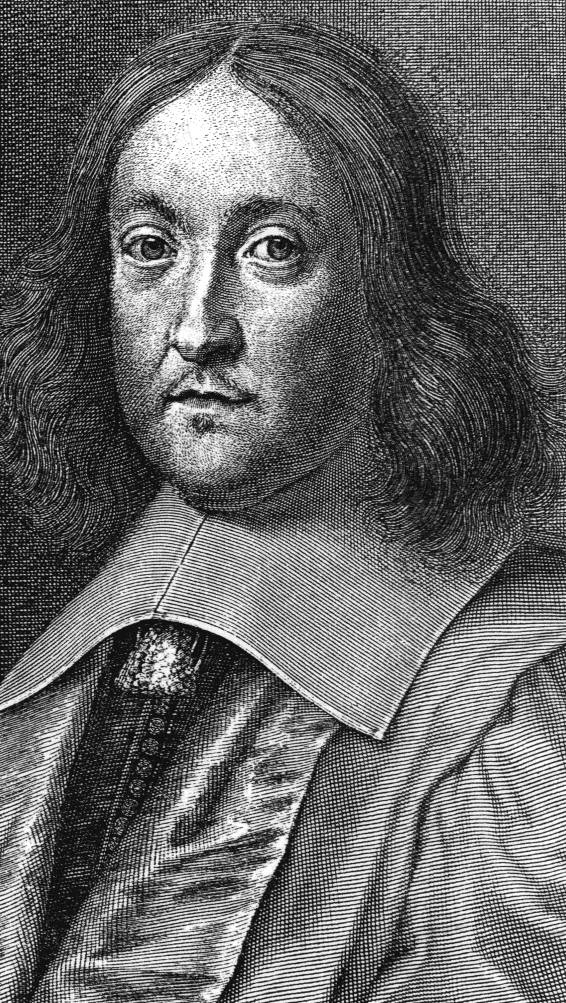
here is the puzzle:
A computer scientist claims that he proved Fermat theorem is correct for the following 3 numbers:
x=2233445566, y=7788990011, z=9988776655
He declared that the below equation satisfies for N:
x^N + y^N = z^N
Later the scientist was proved wrong by a 10 year old kid. How come he do that even without the help of the computers?
Here is the solution:
x=2233445566, y=7788990011, z=9988776655
square the last digits of each numbers and notice that the last digit of the result remains same.
which proves that for any value of N, the last digits remains same.
6 * 6 = 36 , 1 * 1 = 1 , 5 * 5 = 25
hence x^N ends with 6, y^N ends with 1, z^N ends with 5
try out the equality with the last digits: 6 + 1 != 5
this proves that the values of x,y and z doesn't satisfy Fermat's theorem.

Great weblog right here! Additionally your website quite a bit up fast! What host are you the usage of? Can I am getting your affiliate hyperlink in your host? I desire my website loaded up as fast as yours lol
ReplyDelete